If It Doesn’t Feel Real, It Shouldn’t Make the Cut
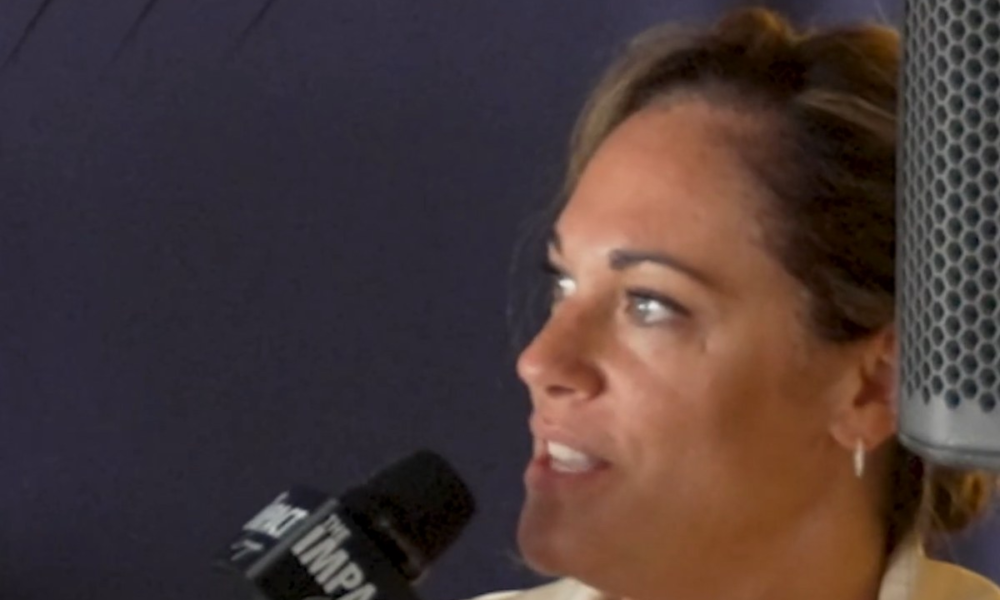
There is a single sentence that captures the entire philosophy behind modern entertainment partnerships: “I don’t want it to make the cut if it doesn’t feel real.” It sounds almost counterintuitive coming from the world of brand integration, where the instinct has always been to get a product on screen by any means necessary. But at this year’s Cannes Lions, that line drew a clear distinction between the old way of buying your way into a story and the new way of earning your place in it. In a conversation moderated by Ankler Media’s Natalie Jarvey, Mediaplacement CEO Britt Johnson, Laura Dyer, SVP of Global Marketing at SharkNinja, and Magno Herran, VP of Global Brand and Partnership Marketing at Netflix, laid out why authenticity is no longer a nice-to-have. It is the entire point.
The Audience Can Tell
Start with a simple truth about the people watching. Today’s consumer, and not only Gen Z, can sense when something is inauthentic from a mile away. They know the difference between being served an ad and stumbling onto something they genuinely want. The moment a placement feels forced, the spell breaks, and the brand has spent real money to make itself look desperate. This is why the panel kept describing entertainment as a kind of sacred space. Audiences are tuning back in, going to theaters, and streaming constantly, and that renewed attention is precisely what makes it so easy to squander with a clumsy, obvious sell.
The goal, then, is not awareness. It is desire. A brand wants the audience to see a product in the hands of a character they love and think, “that’s cool, I want that,” not because they were told to, but because they were entertained into it. As Laura put it, she does not want SharkNinja’s customers and audiences to feel advertised to. She wants them to want the products because they are entertained, or because they saw someone using them in a way that felt true to the story. That is a much higher bar than a logo on screen, and clearing it requires a completely different approach to how products get into shows in the first place.
The Whiskey on the Ranch
The clearest illustration of this idea has nothing to do with kitchen appliances or beauty devices. It is a bottle of whiskey. On the Dutton Ranch in Yellowstone, a bottle of Oban 18 sits in the world of the show, a placement Mediaplacement helped bring to life. You watch Rip and Beth, two characters audiences have come to love, and something happens that no traditional ad could ever manufacture. For a moment, you want to live in their world. You want to be them. And so you want the whiskey too.
Nobody sold it to you. There was no thirty-second spot, no tagline, no call to action. You simply wanted in. That is the buzz of discovery, and it is far more powerful than the friction of an interruption. The proof is in the behavior it drives. People watch a scene like that, get on the internet, find the bottle, and buy it, not because they were marketed to but because the story made them feel something. That feeling is the holy grail of brand integration, and it only exists because the placement felt completely natural to the world it lived in.
This is exactly the moment SharkNinja wants to create for its own products. Picture someone watching a series and seeing a character use a CryoGlow mask, blend a frozen drink with a SLUSHi, or churn homemade ice cream with a CREAMi, and thinking, “yeah, that’s cool.” The mechanics are identical to the whiskey. The product belongs in the scene, the audience is entertained, and desire follows naturally. Want, not awareness. Discovery, not disruption.
A Model Built on Patience, Not Pressure
So how do you actually engineer authenticity? Counterintuitively, by giving up control and removing pressure. The old model was a big check upfront and a contractual demand to appear in five scenes, which almost guarantees a placement that feels shoved down the audience’s throat. The new model inverts that completely. There is no money upfront and nothing forced. The product goes into the process organically and risk-free. A brand sends the product, and maybe it makes the cut and maybe it does not.
The rule that holds the whole thing together is the one that gives this piece its title. You do not want it to make the cut if it does not feel real. If a scene comes together naturally and the product genuinely belongs, then the partners can amplify it loudly at the time of release. If it does not work, there is no harm and no pressure. That restraint is not a limitation. It is the very thing that makes the eventual placement credible. By being willing to walk away from a placement that feels forced, a brand earns the authenticity that makes the placements it keeps actually work.
This patience extends to how Netflix thinks about its own creators. For years, the platform resisted integrations because they felt disruptive to the viewing experience, and protecting creative freedom mattered more than any brand deal. What changed was the realization that brands did not want to disrupt the story either. Once both sides agreed that the integration had to serve the show first, Netflix could surrender creative control to the people who know the story best and let them decide which scene actually works. The integration stays seamless and authentic, and only afterward does the campaign built around it get loud.
Gifting, Not Buying
One story from the panel captures the patience model perfectly. SharkNinja sent its CryoGlow LED masks to the writers’ room and cast of the Netflix series Nobody Wants This with no strings attached. The message was simple: try them out, play around with them, keep them in the room, do what you want with them. We think they could be a fit, and if not, no pressure. There was no payment and no obligation, just product placed in the right hands and the freedom for the creative team to use it or ignore it.
What happened next is exactly what the model is designed to produce. The product made its way to the talent, the actress Justine Lupe posted it on her own Instagram, and it found its way into the show organically. From there, the brand could reach out to maintain a relationship and gift more product over time. Sometimes these moments evolve into paid, long-term partnerships, but the priority is always that it feels organic and real first. The payment, when it comes, follows the authenticity rather than forcing it. A brand that leads with a check buys a placement. A brand that leads with a gift and a no-pressure invitation earns one.
Why Authenticity Wins
Pull these threads together and a clear principle emerges. Authenticity is not a creative preference or a brand-safety checkbox. It is the mechanism that makes entertainment partnerships actually deliver. When a product belongs in a scene, the audience lowers its guard, gets entertained, and develops genuine desire. When a product is forced in, the audience notices, resents it, and tunes out. The whiskey on the ranch works because it feels like part of the story. The CryoGlow mask works because it arrived as a gift with no pressure and earned its way into the show. In both cases, the brand resisted the urge to force the moment, and that restraint is exactly why the moment landed.
For any brand looking to show up in entertainment, the takeaway is direct. Do not chase the cut at any cost. Send the product, trust the story, and be willing to let it go if it does not feel real. The placements that survive that test are the ones audiences will actually believe, and belief is what turns a passive viewer into someone who wants what they just watched. That is the difference between being advertised to and being entertained into wanting something. One gets skipped. The other gets remembered.
Watch the full Cannes Lions panel above to hear Britt Johnson, Laura Dyer, and Magno Herran explain why authenticity is the foundation of every partnership worth doing.