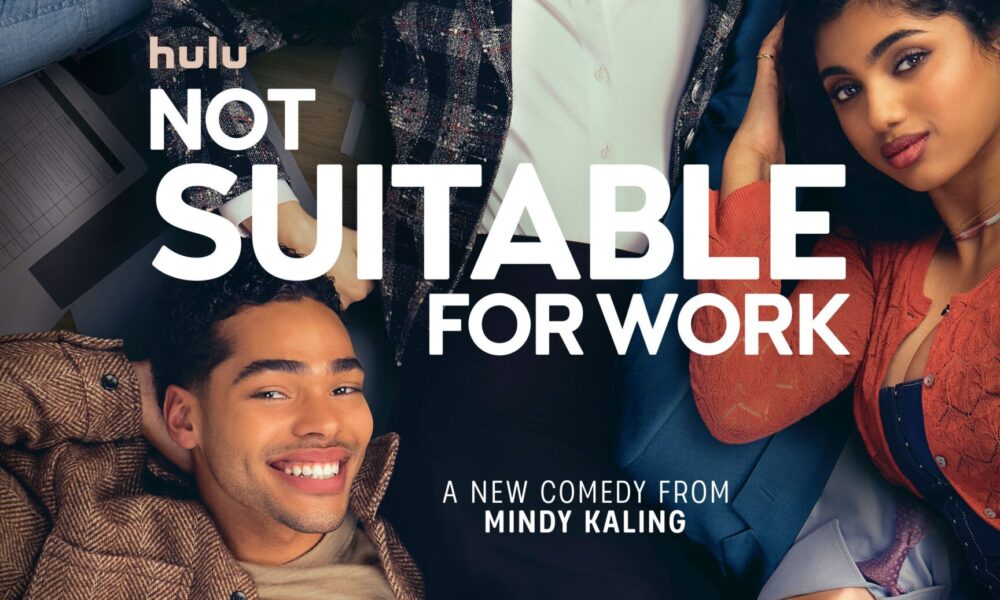
Mediaplacement is proud to highlight a recent brand integration for Ally Bank inHulu and Disney+’s hit new series Not Suitable for Work. This collaboration demonstrates how financial technology brands can seamlessly integrate into modern storytelling while reinforcing authenticity, relatability, and real-world functionality within character-driven narratives. By embedding the brand into moments that feel natural to the storyline, the execution reflects a broader shift toward more intentional and strategic entertainment marketing.
Understanding the On-Screen Moments
The Ally Bank product placement appears across Episode 3 and Episode 5 of Season 1, creating a cohesive and multi-touchpoint brand integration that reflects real-life financial behaviors. These moments showcase how everyday interactions, such as receiving a payment notification or paying a bill, can be elevated into meaningful storytelling devices. By appearing in multiple episodes, the product placement reinforces familiarity and strengthens brand recall among viewers.
In Episode 3, which aired on June 2, 2026, viewers see Kel (Nicholas Duvernay) visiting Davis (Will Angus) in the hospital. The moment is interrupted in a realistic way when Kel receives a notification on his phone from the Ally banking app. The alert reads, “Kel, you got paid!” and Kel reacts immediately, saying, “I just got paid ten grand for my shoot,” which reinforces both the visual and verbal presence of the brand.
This product placement delivers approximately four seconds of prominent, hands-on exposure, with clear visibility of the Ally branding. The brand integration works because it mirrors a highly relatable, real-world experience that audiences instantly recognize. Rather than feeling like a promotional insert, the moment enhances the realism of the scene while reinforcing the character’s professional progress.
In Episode 5, which aired on June 9, 2026, Ally Bank appears again in a different but equally natural context that reflects everyday financial behavior. After meeting with Austin (Harry Richardson) to discuss his acting career, Kel is presented with a bill at a restaurant, shifting the tone to a more casual and lifestyle-driven moment. He pays using his Ally debit card, which is clearly shown on screen, reinforcing the brand through a familiar and expected action.
This interaction provides an additional three seconds of hands-on exposure with visible branding, further strengthening audience recognition and consistency. The product placement works because it represents a normal, everyday transaction rather than drawing attention to itself. By appearing in both a financial gain moment and a spending moment, the brand integration creates a well-rounded and realistic narrative.
Seamless Product Placement, Not Disruption
Authenticity is one of the most important factors in successful product placement, especially when integrating financial services into entertainment. In both Episode 3 and Episode 5, Ally Bank is positioned as a functional tool within the character’s life rather than a promotional element inserted for visibility. This ensures that the brand integration feels organic and aligned with the story.
Kel is portrayed as a young creative navigating career opportunities, financial milestones, and personal growth throughout the series. Receiving a payment notification and using a debit card are natural extensions of his lifestyle. This makes the product placement feel seamless within the narrative. Because these actions are universally relatable, the audience experiences the brand as part of the story rather than a disruption to it.
The Episode 3 moment is particularly effective because it contributes to character development in a subtle but meaningful way. Kel’s reaction to getting paid reflects both professional progress and personal validation, which adds emotional weight to the scene. The Ally notification becomes a storytelling device that communicates success in a modern and visually engaging format.
In Episode 5, the debit card interaction reinforces consistency and normalcy in the character’s behavior. It demonstrates that Ally Bank is not a one-time feature but an ongoing part of Kel’s financial routine. This continuity strengthens the overall brand integration and increases the likelihood of audience recall.
Why This Product Placement Works
One of the key reasons this product placement is effective is its alignment with both the character and the target audience. Not Suitable for Work explores the realities of early adulthood, including career ambition, financial independence, and personal identity. These themes create a natural environment for financial brands to integrate in a way that feels relevant and necessary.
Ally Bank’s positioning as a digital-first, user-friendly platform aligns perfectly with Kel’s character and lifestyle. As a young professional navigating opportunities in a competitive industry, Kel represents a demographic that is highly likely to use mobile banking solutions. This alignment enhances authenticity and strengthens the connection between the brand and the audience.
Additionally, the product placement leverages familiar, real-world experiences that resonate with viewers. Receiving a payment notification and using a debit card are actions that many audience members perform regularly. This relatability makes the brand integration more memorable and impactful.
The Power of Digital Banking in Entertainment
The inclusion of Ally Bank reflects broader shifts in consumer behavior, particularly among younger, tech-savvy audiences. Digital banking platforms have become increasingly popular due to their convenience and accessibility. By integrating Ally Bank into the series, the product placement aligns with these evolving preferences and reinforces the brand’s relevance.
The Episode 3 notification scene is especially effective because it taps into a universally recognized experience. Many viewers are familiar with the excitement of receiving a payment notification, which makes the moment instantly relatable. This familiarity helps the product placement resonate on a deeper level and strengthens audience engagement.
Meanwhile, the Episode 5 debit card interaction reinforces trust and usability by showing the product in action. The scene does not overemphasize the brand, which allows it to feel more authentic and integrated into the environment. This subtle approach often delivers stronger results than more overt marketing tactics.
The Mediaplacement Approach
At Mediaplacement, successful product placement and brand integration are driven by a deep understanding of storytelling, audience behavior, and brand identity. For this collaboration, the focus was on identifying moments where Ally Bank could naturally fit within the narrative without disrupting the creative vision of the show. This required careful planning, coordination, and execution.
Rather than forcing visibility, the approach centered on functionality and realism within the storyline. The Episode 3 notification scene provided an opportunity to showcase the Ally banking app in a way that directly supported the narrative. Similarly, the Episode 5 debit card interaction reinforced everyday usage in a subtle but effective manner.
These types of brand integrations require close collaboration with production teams to ensure proper timing, framing, and performance. Even a few seconds of exposure must be carefully planned to maximize impact without feeling intrusive. The goal is always to make the product placement feel invisible in execution while remaining memorable in impact.
The Value of Multi-Episode Brand Integration
One of the most effective aspects of this collaboration is the presence of Ally Bank across multiple episodes rather than a single isolated moment. This multi-episode approach creates consistency and reinforces the brand as a natural part of the character’s life. Repeated exposure helps build familiarity, which is essential for strong brand recall.
By appearing in different contexts, the Ally bank product placement tells a more complete story about how Ally Bank fits into everyday financial life. The combination of receiving money and spending money creates a full-cycle narrative that feels realistic and relatable. This approach enhances the overall effectiveness of the brand integration.
Additionally, multi-episode exposure increases long-term value by giving audiences multiple opportunities to engage with the brand. Each appearance reinforces the previous one, creating a cumulative effect that strengthens recognition and perception. This strategy is particularly effective in serialized content where viewers follow characters over time. These placements reached over 4 million viewers across both episodes.
Entertainment Marketing in the Streaming Era
As streaming platforms like Hulu and Disney+ continue to dominate the entertainment landscape, product placement and brand integration have become increasingly valuable marketing tools. Unlike traditional advertisements, which can be skipped or ignored, product placement exists within the content itself. This ensures that audiences engage with the brand as part of their viewing experience.
Streaming content also offers extended longevity, as episodes remain available for audiences to discover and revisit over time. This allows product placements to generate impressions long after the initial release. As new viewers continue to discover Not Suitable for Work, the Ally Bank integration will maintain its relevance and impact.
This long-term exposure is one of the key advantages of modern entertainment marketing. Brands are no longer limited to a single campaign window but can instead become part of ongoing cultural and viewing experiences. This creates lasting value that extends far beyond the initial placement.